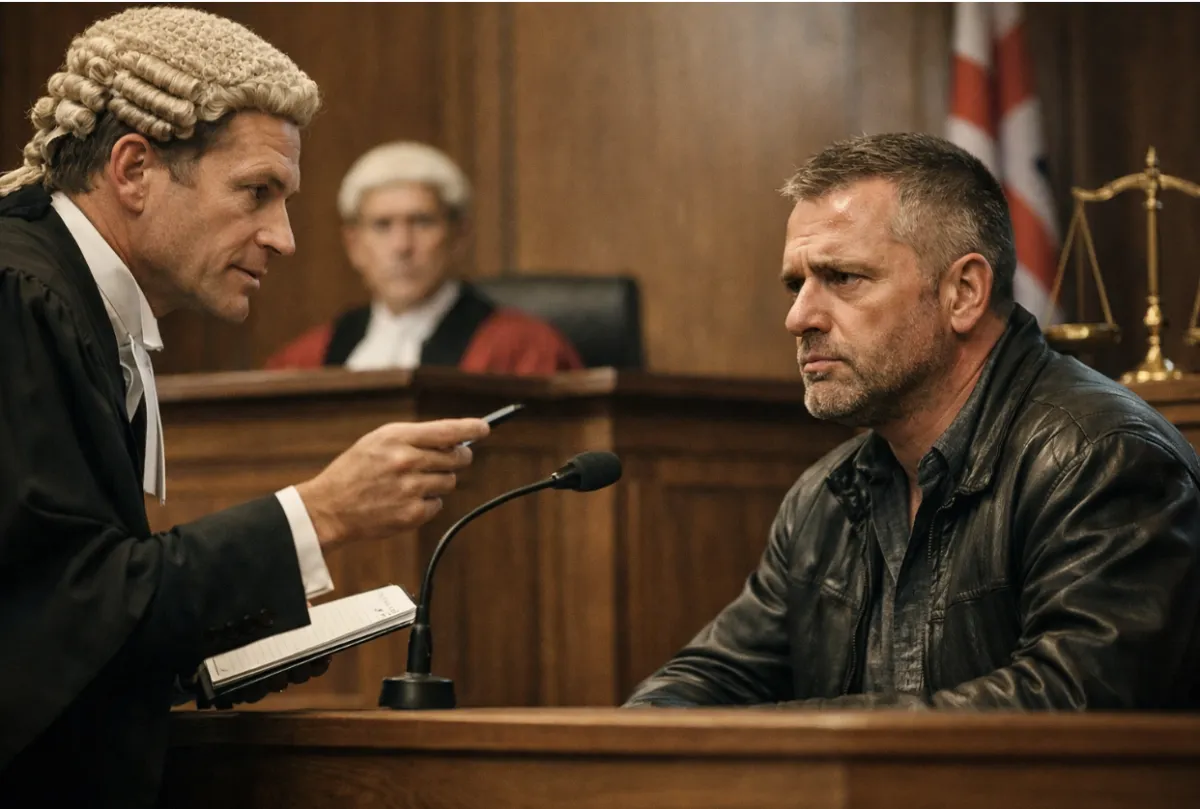
Cross-Examination: How to Handle a Difficult Witness Like a Pro
If you've ever watched a slick courtroom drama (the British ones, obviously, none of that gavel nonsense), you'll have seen the perfectly choreographed dance: the advocate asks razor-sharp questions, the witness crumbles under pressure, and justice is served with a side of dramatic music.
Real life? That's not quite how it goes.
But here's the good news: you can learn to do it well. And once you master the fundamentals, you'll not only survive difficult witnesses, you'll use them to build your case.
Let's break it down.
First Things First: What's the Difference Between Examination-in-Chief and Cross-Examination?
Before we jump into the tactical warfare of cross-examination, let's clarify what we're actually doing here.
Examination-in-chief is when you question your own witness. Your job? Help them tell their story in a clear, compelling way. You ask open questions like "Can you describe what you saw?" You're not supposed to lead them (i.e., suggest the answer), because that's considered putting words in their mouth.
Cross-examination is the opposite. You're questioning the other side's witness. Your job? Challenge their evidence, expose inconsistencies, and control the narrative. And here's the kicker: you're allowed, and encouraged, to use leading questions.
Leading questions are your secret weapon. They suggest the answer and force the witness into a corner.
Compare:
Open question (examination-in-chief): "What was the weather like that evening?"
Leading question (cross-examination): "It was raining that evening, wasn't it?"
See the difference? In cross-examination, you're the one driving the car. The witness is just along for the ride.
The Golden Rule: Never Ask a Question To Which You Don't Know the Answer
This is the Golden Rule of cross-examination. Once the witness says something damaging, it's out there. The judge has heard it. The jury (if there is one) has heard it. And no amount of backtracking will erase it.
So how do you avoid this trap?
Prepare! Read the witness statement. Read the evidence. Read the documents. Know what the witness has said before, and craft your questions around those admissions.
If you stick to the facts they've already confirmed, you stay in control.
Leading Questions: Your Superpower
Let's talk about the single most important skill in cross-examination: using leading questions to control the witness.
A leading question is a question that suggests its own answer. It's designed to make the witness agree with your version of events, not give them space to tell theirs.
Here's the structure:
Bad question (open-ended): "What did you do after you left the office?"
Good question (leading): "You left the office at 6:15pm, correct?"
Why does this matter? Because open-ended questions give witnesses room to waffle, dodge, and derail your cross-examination. Leading questions keep them on a tight leash.
Pro tip: Insert one new fact per question. Don't try to bundle three points into one question, or you'll give the witness an escape route. Keep it simple. Keep it focused.
Example:
"You were at the scene at 6:15pm, correct?"
"It was dark outside, wasn't it?"
"And you were standing approximately 50 metres away from the incident, yes?"
Short. Sharp. Controlled.
The witness can only say yes or no, and you're building your narrative brick by brick.
How to Handle a Difficult Witness
Right. Let's say you're cross-examining a witness and they start going off-script. You asked a yes-or-no question, and they're now giving you their life story.
What do you do?
1. Politely Interrupt
You don't need to shout. You don't need to roll your eyes. Just interrupt, calmly and professionally.
"I'm sorry to interrupt, but could you please answer the question with a yes or no?"
If the witness keeps talking, repeat yourself. Stay calm. Let the judge see that you're being reasonable and they're being evasive.
2. Repeat the Question
This is a brilliant technique if the witness has gone completely off-piste.
It reminds the witness (and the judge) what you actually asked, and it subtly highlights the fact that they've dodged the question.
3. Know When to Stop
Here's the thing: sometimes, you've made your point. The witness has admitted what you needed them to admit. Stop there.
Don't keep digging. Don't try to make them admit even more. You'll either give them a chance to rehabilitate themselves, or you'll annoy the judge by flogging a dead horse.
Practice Makes (Almost) Perfect
Here's the truth: cross-examination is a skill you develop through practice, not theory.
You can read every advocacy textbook in the world, but until you're actually on your feet asking questions, you won't really know how it feels when a witness goes rogue.
That's where Speed Mooting comes in!
At our Advocacy Club, we run practical advocacy exercises designed specifically for aspiring solicitors and barristers who want to build real courtroom confidence. You'll cross-examine witnesses, handle judicial interventions, and learn how to think on your feet, all in a supportive, structured environment.
👉 Ready to level up your advocacy? Check out our upcoming events and Advocacy Club Meetings at speedmooting.com/events.
Final Thought: Don't Fear the Difficult Witness
Look, cross-examination is intimidating. Difficult witnesses are frustrating. And yes, you will make mistakes (I certainly have).
But here's the thing: the best advocates aren't the ones who never face difficult witnesses. They're the ones who've learned to handle them with control, composure, and a good set of leading questions.
So prepare. Practice. And remember: you're not there to win a shouting match. You're there to build a case, one controlled question at a time.


